Afrobeat and Fela Kuti
Lagos grooves with a political edge. In 1970s Lagos, Fela Anikulapo Kuti and drummer Tony Allen fused highlife, jazz and funk into Afrobeat, a music of long grooves and protest.
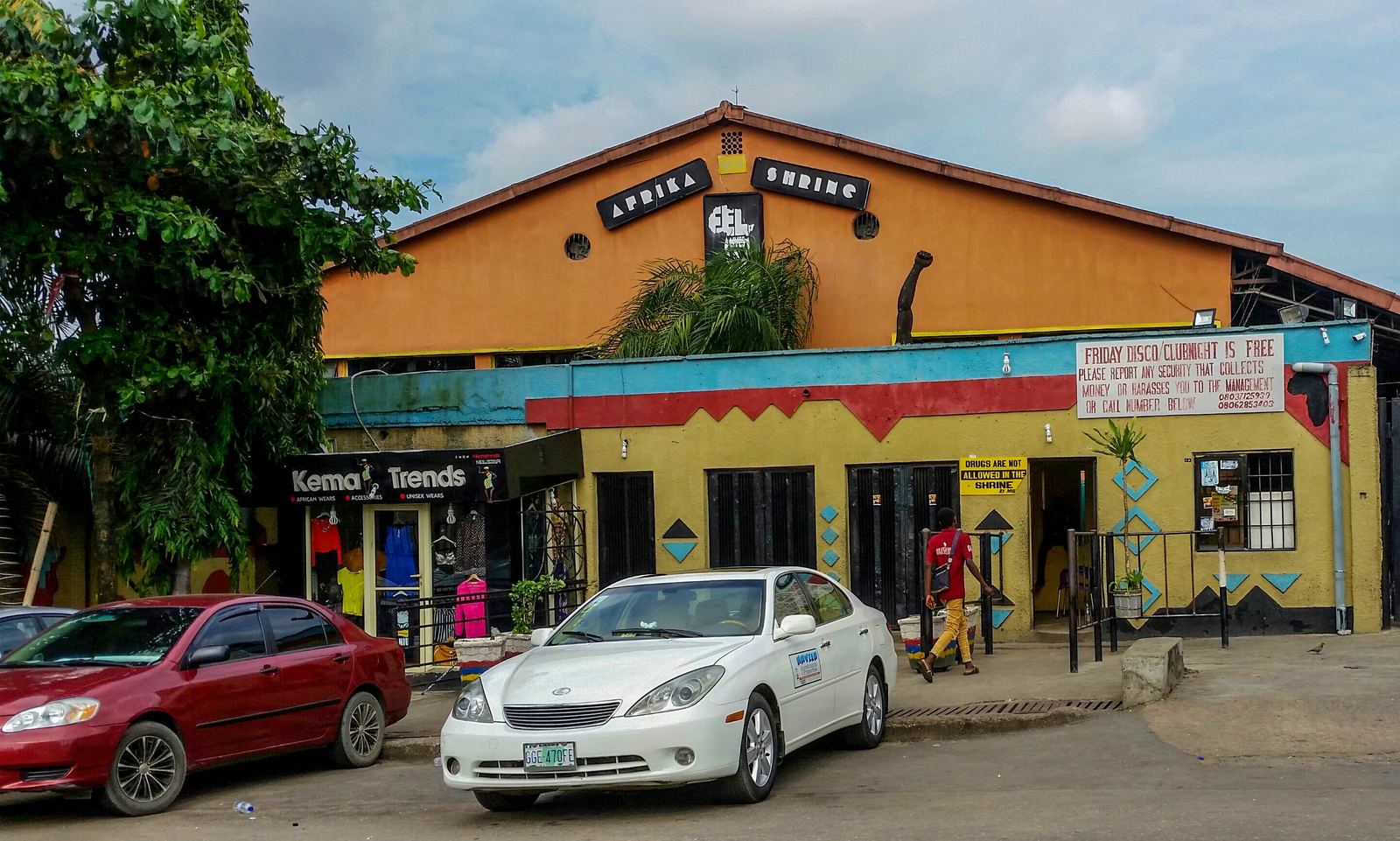
The New Afrika Shrine, Lagos: Comradeayobami, CC BY-SA 4.0
A family of activists
Fela Ransome-Kuti was born in 1938 in Abeokuta, in southwestern Nigeria. His mother, Funmilayo Ransome-Kuti, was a leading campaigner for women's rights and against colonial rule. In the late 1950s Fela went to London to study at Trinity College of Music, where he played trumpet and formed his first band, Koola Lobitos, playing highlife and jazz.
A 1969 trip to the United States, where he encountered the Black Power movement, changed his outlook. Back in Lagos he renamed his band Africa 70 and later replaced Ransome with Anikulapo, a Yoruba name often translated as one who carries death in his pouch.
Video: Fela Kuti - Water No Get Enemy (Fela Kuti), embedded from YouTube.
Building the groove
Afrobeat layers interlocking guitars, a deep bass line, punchy horns and a call-and-response chorus over the drumming of Tony Allen, whose loose, rolling patterns many musicians consider the heart of the style. Songs often run 10 to 20 minutes, with long instrumental build-ups before Fela's vocals arrive, usually in Nigerian Pidgin so that people across the country could understand.
Classic records include Zombie, Water No Get Enemy, Expensive Shit and Gentleman. Many of the lyrics mocked military rule, corruption and the imitation of colonial manners. At the Shrine, his Lagos club, concerts ran late into the night, mixing music, dance, speeches and what Fela called yabis, sessions of sharp political mockery aimed at the powerful.
Kalakuta and the cost of protest
Fela declared his Lagos compound the Kalakuta Republic, independent of the state. In 1977, after the album Zombie ridiculed the army, soldiers stormed and burned it. His mother was thrown from a window and died of her injuries the following year. Fela was arrested many times and jailed in the 1980s, yet kept performing with his later band, Egypt 80, at his club, the Shrine. He died in 1997, and huge crowds filled Lagos for his funeral.
The legacy
His children Femi Kuti and Seun Kuti carry the music forward, and his eldest daughter Yeni and Femi opened the New Afrika Shrine in Ikeja in 2000. Afrobeat bands now play around the world, and the Broadway musical Fela! introduced his story to new audiences. Afrobeat should not be confused with Afrobeats, the 21st century pop sound of artists such as Burna Boy and Wizkid, though both owe a debt to the groove Fela and Tony Allen built.
- The New Afrika Shrine, Lagos: Comradeayobami, CC BY-SA 4.0
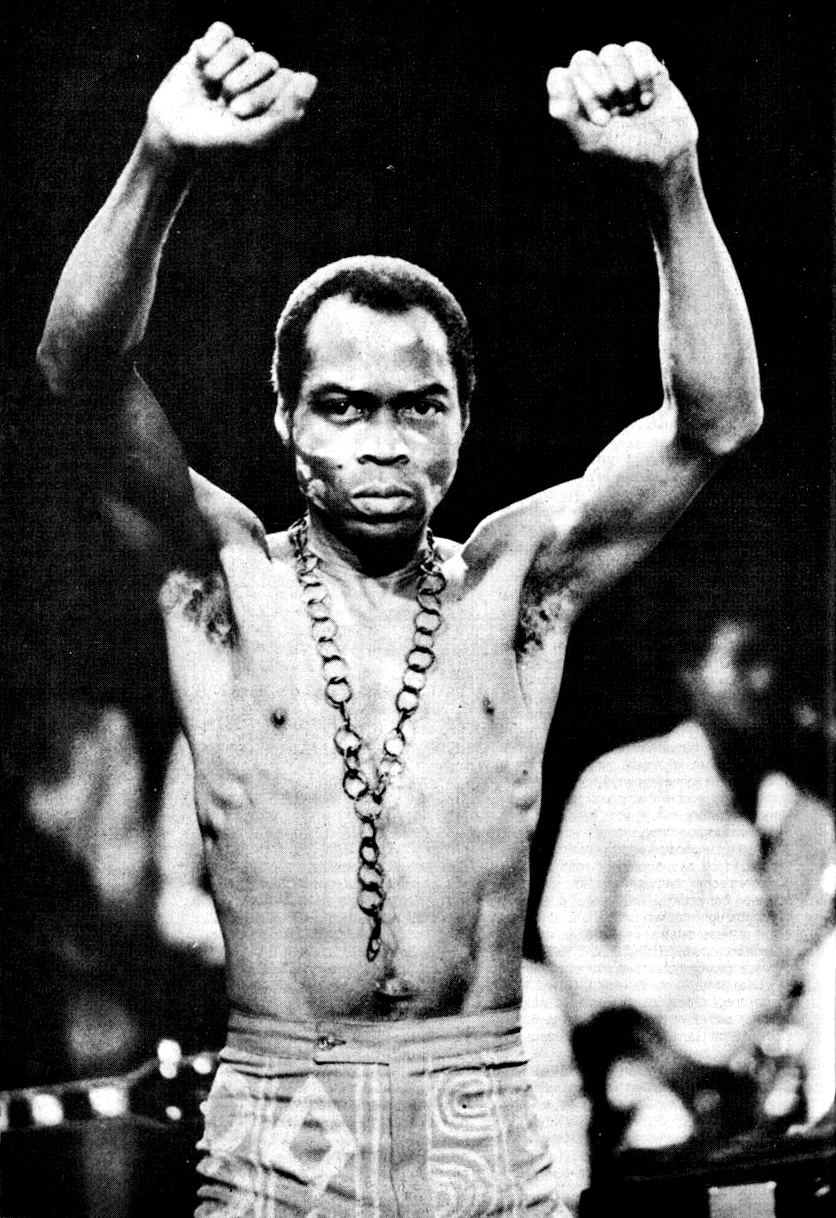
- Fela Kuti, about 1986: Distributed by Celluloid Records, Public domain
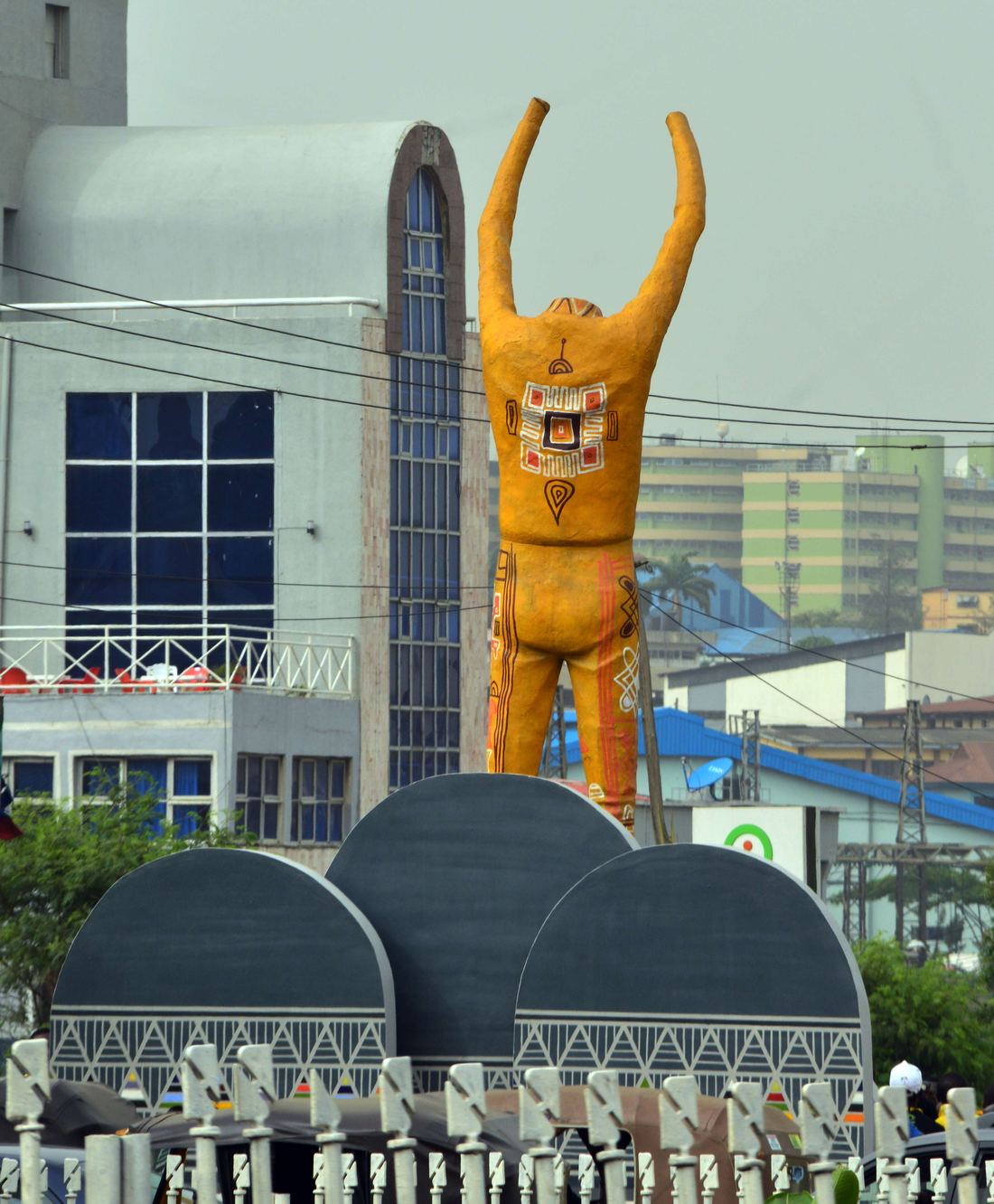
- Fela statue, Lagos: Omoeko Media, CC BY-SA 4.0
Text written by Bongara Bongara.