A Timeline of African Popular Music
Each of these sounds grew in a particular city and community, then traveled. Highlife came from the Gold Coast, rumba from the twin capitals on the Congo River, Afrobeat from Lagos, mbalax from Dakar and amapiano from the townships of Gauteng.
This timeline picks out turning points rather than every hit. Dates come from the sources listed at the bottom of the page.
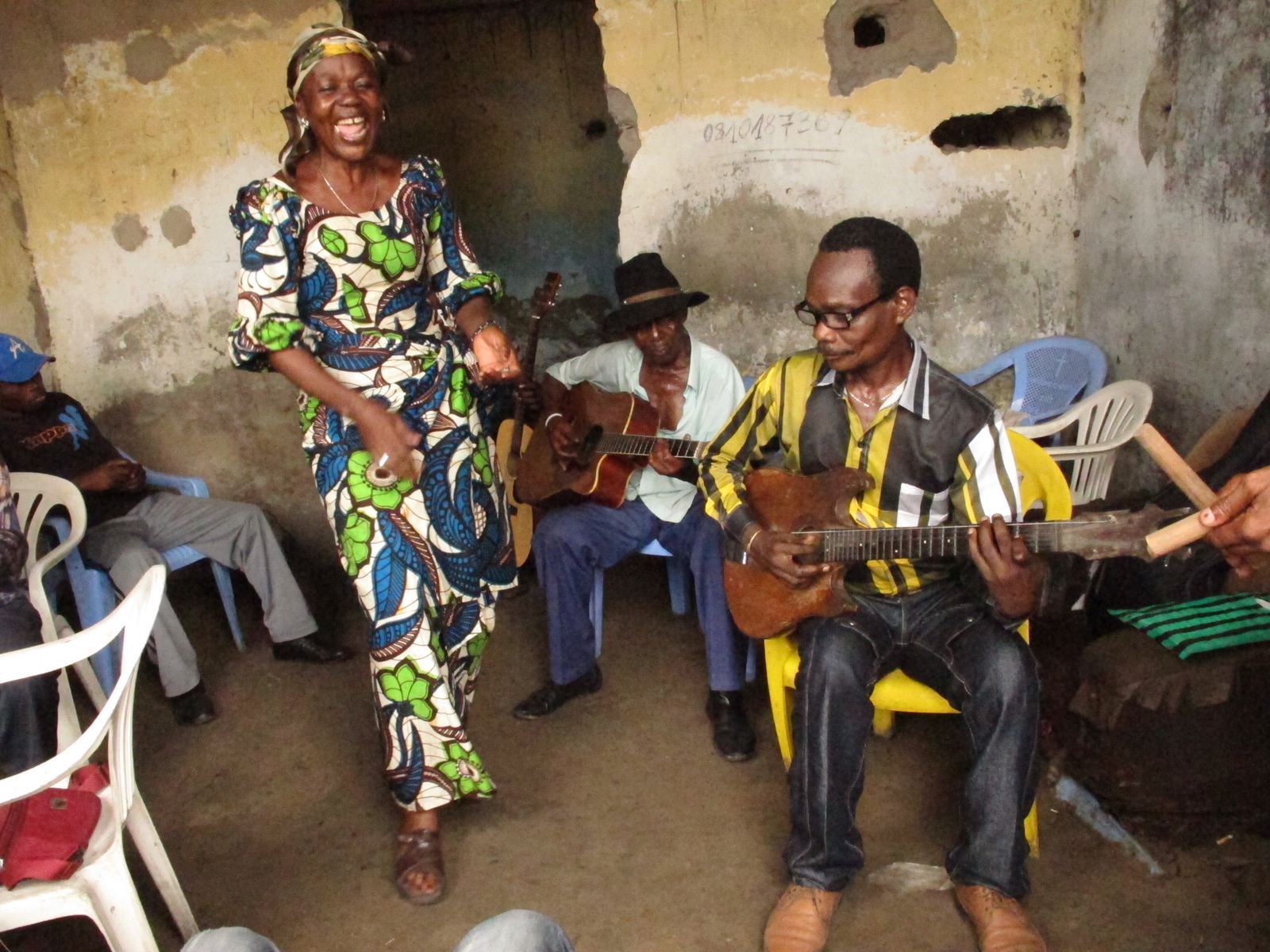
Bakolo Music International rehearsing: Jeanne Vu Van, CC BY-SA 4.0
- 1870s onward
Highlife takes root on the Gold Coast
In the coastal towns of what is now Ghana, local rhythms mix with brass band music, sea shanties and church hymns. The style that grows from them will later be called highlife.
Source: en.wikipedia.org - Early 1920s
The name highlife appears
The word describes the orchestrated local songs played at exclusive clubs, where guests paid high entrance fees and dressed formally.
Source: en.wikipedia.org - 1928
Yaa Amponsah is recorded
The Kumasi Trio, led by Jacob (Kwame) Asare, records the guitar song Yaa Amponsah in London, one of the earliest recordings of Ghanaian guitar-band highlife.
Source: en.wikipedia.org - 1933
Cuban records reach Central Africa
The GV series of Cuban son records begins circulating in Africa. Musicians in Léopoldville (now Kinshasa) and Brazzaville blend what they hear with local maringa dance rhythms.
Source: en.wikipedia.org - 1956
OK Jazz forms and the King of Highlife
Franco Luambo's OK Jazz forms in Léopoldville and becomes a training ground for generations of Congolese musicians. The same year, Ghana's E.T. Mensah plays with Louis Armstrong in Accra.
Source: en.wikipedia.org - 1960
Indépendance Cha Cha
Joseph Kabasele and African Jazz record Indépendance Cha Cha, a song that becomes an anthem of the independence era across Africa.
Source: en.wikipedia.org - Late 1960s to early 1970s
Afrobeat is born in Lagos
Fela Kuti and drummer Tony Allen fuse highlife, Yoruba rhythms, jazz and American funk into long, horn-driven grooves with political lyrics. Fela's Kalakuta Republic commune follows in 1970.
Source: en.wikipedia.org - Early 1970s
Mbalax rises in Dakar
Senegalese bands put Wolof sabar drum rhythms at the center of dance music played on electric guitar, bass and keyboards, alongside Cuban and Congolese influences.
Source: en.wikipedia.org - 1977
Étoile de Dakar and Zombie
Youssou N'Dour and fellow members of the Star Band leave to form Étoile de Dakar, pushing a more Senegalese mbalax sound. In Lagos, Fela's Zombie mocks the military and angers the government.
Source: britannica.com - 1994
The Guide (Wommat)
Youssou N'Dour's album The Guide (Wommat) makes him a global star and carries mbalax to new audiences.
Source: britannica.com - 1997
Fela Kuti dies
Fela Anikulapo Kuti dies on August 2, 1997, after decades of music and more than 200 arrests for his outspoken criticism of Nigeria's rulers. Afrobeat bands around the world still play his songs.
Source: en.wikipedia.org - Mid-2010s
Amapiano emerges in Gauteng
In South Africa's Gauteng province, producers build a new sound from house music, jazzy keys and a deep, percussive log drum bass. The name comes from the isiZulu word for pianos.
Source: en.wikipedia.org - 2021
Congolese rumba becomes UNESCO heritage
UNESCO inscribes Congolese rumba, nominated jointly by the Democratic Republic of the Congo and the Republic of the Congo, on its Representative List of the Intangible Cultural Heritage of Humanity.
Source: ich.unesco.org - Early 2020s
Amapiano goes global
Amapiano spreads far beyond South Africa through streaming and social media, sung in many of the country's languages.
Source: en.wikipedia.org
Keep listening
Afrobeat and Afrobeats are not the same thing. Afrobeat is Fela's 1970s sound of long horn-led grooves; Afrobeats is a newer umbrella term for 21st-century West African pop that draws on hip hop, dancehall and R&B.
Read more about the people behind these sounds on our pages for Afrobeat and Fela Kuti, Congolese rumba and the talking drum.
- Wikipedia: Highlife
- Wikipedia: Congolese rumba
- UNESCO: Congolese rumba
- Wikipedia: Afrobeat
- Wikipedia: Fela Kuti
- Wikipedia: Mbalax
- Britannica: Youssou N'Dour
- Wikipedia: Amapiano
Facts on this page were checked against these sources (updated Oct 1, 2026). Spot an error? Email hello@fireempireshop.com.